Guest & Dude Ranches


Guest & Dude Ranch Liability Insurance 

Insure Your Guest & Dude Ranch for Liability 

If you own or manage a seasonal or year-round guest and dude ranch operation, you have a complex liability exposure that is not easily insured by many insurance companies. Because of it’s high risk nature it is especially important to insure your business against liability.  

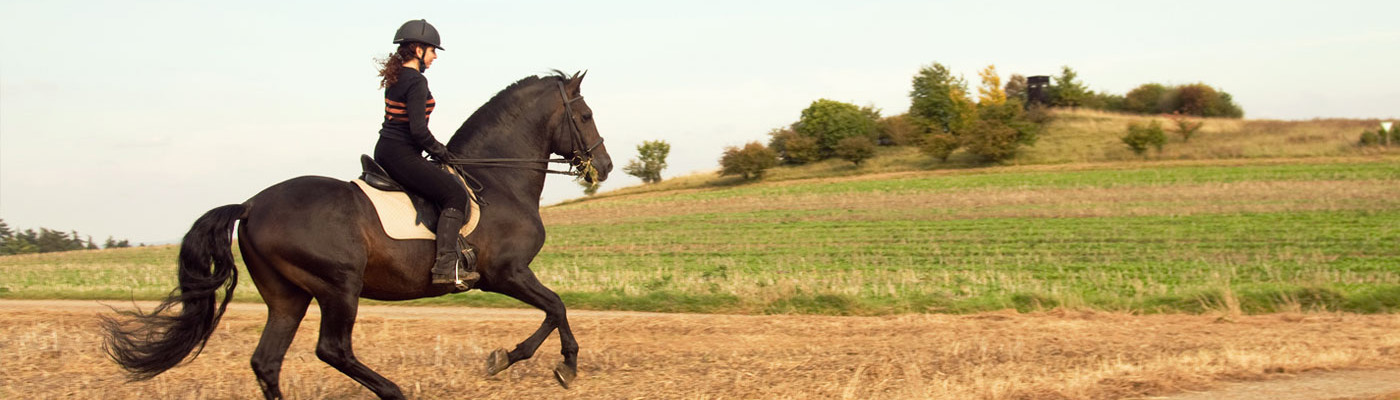
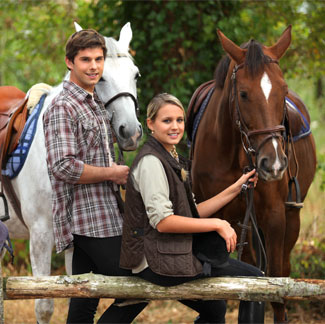
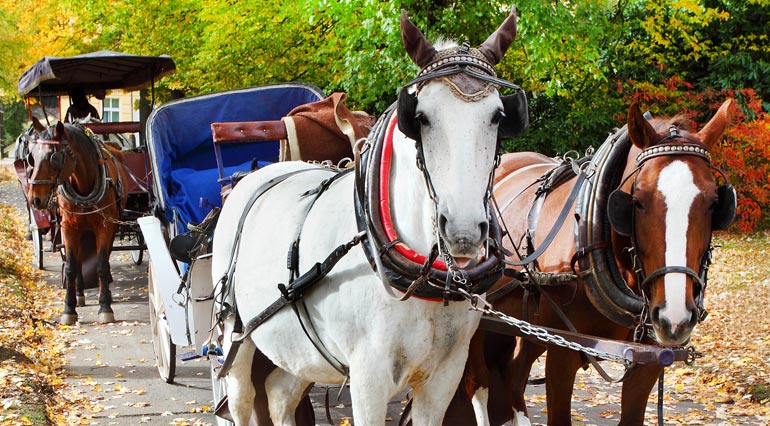
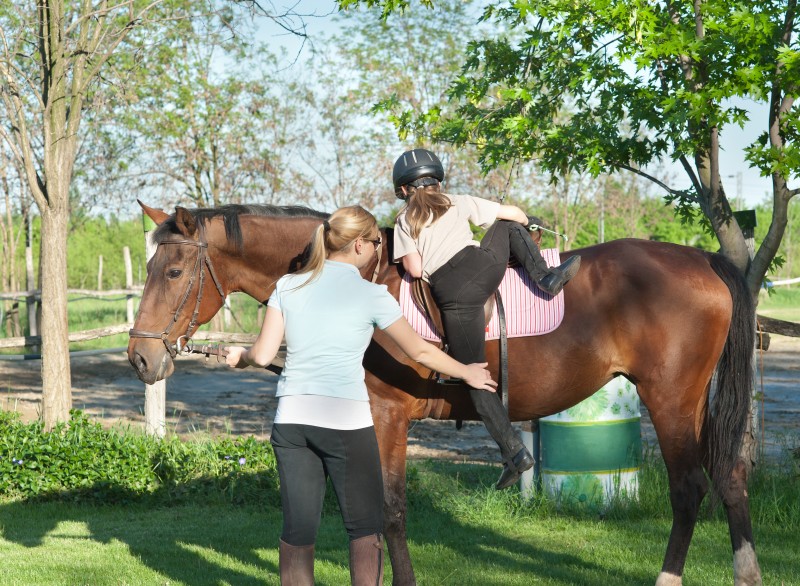
Guest & Dude Ranches serve overnight guests who stay on premises for from two days to two weeks. Accommodations are provided such as cabins, hotel, campgrounds or bunkhouse. Buildings on premises often include a lodge, meeting rooms and halls, a recreation building, in addition to traditional farm and ranch storage structures, stables, and barns. Swimming pools, saunas, hot tubs, and swimming ponds are a common feature. Products & Completed Operations liability may be required for sales of souvenir items, clothing, jewelry, books, etc. Food service is usually provided in a private dining hall, restaurant or cafeteria, from concession stands and machines, in addition to outdoor picnics, barbeques and chuck wagon dinners. Some have a liquor liability exposure for sales of wine, beer and hard liquor. Guest and Dude Ranches provide indoor and outdoor “western” activities for the whole family. Common activities include horseback riding and horse care along with introductory classes, horse drawn or tractor drawn vehicle rides, observation of and participation in ranch activities, western games, western demonstrations and competitions, day-long and overnight trail rides, and pony rides for children. Classes may be provided in sporting activities such as archery, fly and pond fishing, canoeing and kayaking, swimming, and low element rock climbing. Other activities may be petting zoos, dances, musical events, star gazing, wild flower walks and bird watching, painting and craft classes, museum exhibits, history tours, archeology, hiking and walking trails. Some operators may contract with another business to provide some of these services at another non-owned location and those providers should have their own liability insurance. Advertising and promotion at trade shows and travel fairs, in periodicals, newspapers, local flyers and on the web is an exposure of concern. Some operators provide transport services to and from public transportation sites and may have commercial auto insurance needs. Employees require worker compensation insurance under a separate policy of that type. Worker Comp is not part of a GL Policy. Note: Ark Agency’s companies may not be able to insure all of the high risk exposures a guest and dude ranch may have. Worker Comp, Liquor Liability, auto insurance, and some high risk recreational activities are not insurable under the GL policy. Additional policies may have to be purchased. 

As a Guest & Dude Ranch Operator, you worry that you may be sued or otherwise have a claim made against you for bodily injury or property damage by a customer, guest or someone else who comes in contact with you or the property that is part of your business. If sued, you will need to hire a lawyer to defend you and you wonder how you would go about doing this. If found negligent or responsible, you would likely have to pay a court-ordered or agreed-upon settlement to the injured party. Fortunately, much concern can be relieved when you buy a Commercial General Liability Policy [GL] to insure your specific activities.  

Commercial General Liability Insurance protects you from financial loss should a guest, visitor, or a trespasser become injured [Bodily Injury] or their property is damaged [Property Damage] in relation to your operations, and they make a claim or file a law suit against you for damages.

How Risky is Guest & Dude Ranch Operations?      HIGH RISK 

These operations provide numerous supervised and free-time activities and services for guests who are on premises 24 hours a day. Guests may include children of every age that may be difficult to supervise at all times. Many of the activities are recreational and out-of-doors, and some are in remote places. These factors combine to rank such operations in a High Risk category for incident or injury to happen. Guest & Dude Ranches usually have horse related activities, but these may not be the highest risk activities. Horse activities are reasonably safe compared to many other activities people participate in. Yet, horse-human activities do carry inherent risks. Accidents do happen when people at different stages of capability attempt to touch, handle, train, ride, drive and control large animals that are unpredictable even when well trained. And some horse-human accidents are serious. Even with the best of intentions and management practices anyone can have a claim made against them and be sued. 

You Must Plan Ahead – A FIVE PRONGED STRATEGY

No one wants someone to be injured on or in relation to their property or business operations. No one plans to have an accident that results in a liability claim they are responsible for.  Yet, you still must plan against and for an accident, and there is a five-pronged strategy you should follow:  

1. Accident Avoidance is the first strategy. This is best accomplished by implementing a thoughtful operational risk reduction plan that provides a reasonably safe physical environment and procedures for people and horses. All staff members should be trained in those practices. [NAHA Risk Reduction Programs can assist you.] 2. Emergency Procedure Planning is the second strategy, and it can be important to minimize the severity of an accident and provide proper care at the time. 3. The third strategy is to use well-worded Warning and Release of Liability Agreements. [NAHA can provide contract models for your use.]Have them completed and signed completely and correctly by all participants. Keep the signed forms on file and safely stored for several years as suggested by an attorney in your state. 4. The fourth strategy is to carefully review and comply with your state’s Equine Activities Immunities Law and any other recreation immunities laws, if your state has them. All states have some form of the equine law except California, New York, Maryland, and Nevada. Some require special wording in warning and release agreements, and some require posting of specific warning signs on your property. Other recreational laws may apply to resort operations. 5. Purchase a Liability Insurance Policy that adequately covers and lists your specific activities in the policy.  The policy should be placed with an A rated domestic insurance company having a good reputation for service, knowledge of equine and resort risks, and for handling related liability claims. Be wary of low pricing, as generally a low price means something important is missing in the policy or the Insurer may not understand how to price equine and resort exposure. This important fifth strategy can protect you and your business from financial loss should an accident happen. It helps fulfill the sense of responsibility you have about serving the public, but it provides more than peace of mind. In event of a covered claim, the Insurer provides legal defense and pays for defense costs. It pays for claims costs and settlements made against you up to the limits of your policy. Just as important is the fact that knowledgeable professionals will handle and manage the details of your claim in a way that looks after your claim and litigation interests, so that you can continue functioning with the least amount of “hassle.” 

Equine Activities Immunities Laws have been passed in 46 states. While these laws may help you avoid liability, they will not usually thwart a determined injured party from pursuing a claim or law suit. This is because to receive immunity under the law, the activity sponsor must have performed in a specific way according to what the law requires. And often immunity is determined through some type of expensive legal proceeding that can result in a large, often uncontrolled expense to an uninsured business owner. You still need to be properly insured for liability.

General Liability Coverage & Limits

The General Liability Policy provides specified maximum limits or amounts of liability insurance for:

Medical Expense:  Pays for a claimant’s low cost medical expense with few questions asked about your liability or responsibility in the matter. Negligence need not be a factor to trigger payment.

Legal Defense Costs: Today court costs and hiring of a lawyer can quickly mount to $50,000 or more.  This is an expense you do  not want to come out of your pocket if you are sued. If sued in relation to the insured activity, the policy provides legal defense whether the case has merit or not.

Claim / Settlement Costs: Pays bodily injury and property damage claims for which you are held responsible.

 Common claim incidents for Guest & Dude Ranch Operations include: 

uA guest becomes injured while participating in a sporting, recreational, or animal related activity.

v Food service claims are not common, but keeping foods at the right temperature to be safe in outdoor conditions is a concern.

w Guests who are injured require more care than the resident medical care staff  can provide, resulting in a medical crisis. 

Those who read this page may also be interested in:  Pack Horse Services        How to Select and Buy Insurance       Pony Rides Insurance       North American Horsemen’s Assn

WHERE TO BEGIN

Your insurance needs are unique, therefore we believe in person to person service.  You may complete a short inquiry application by clicking Get an Insurance Quote. Call or e-mail an Ark Agency Representative for an estimated premium, policy and company details, and qualification requirements.  We work with several insurance companies and rates and coverage conditions vary.  We will help you determine which application to use and advise on how to put insurance in force. To learn more and to review the most frequently asked questions about liability insurance, read our brochure by clicking below.

»Read / Print Brochures
»Get an Insurance Quote
»Home Page »Contact Us

*General information is provided on this insurance topic.  Acting on our coverage recommendations does not guarantee coverage if you have a loss or claim.